
Our research is supported by dedicated science & technology platforms:

Research Overview
Research is the driving force of Nerviano Medical Sciences. With a long-standing expertise in R&D, we have a proven ability to conduct innovative research and advance molecules from discovery through clinical development to registration. Our work focuses on key biological targets and mechanisms that drive the onset and progression of cancer. By exploring novel pathways, identifying innovative drug targets, and developing both first- and best-in-class therapies, we aim to combat treatment resistance and improve patient outcomes.
Cell Cycle & DNA Repair
Uncontrolled cell proliferation and defective DNA repair are hallmarks of cancer. By targeting key cell cycle proteins like CDKs, PLK1, and MPS1, and exploiting synthetic lethality in DNA repair pathways such as BRCA1/2 and PARP, we aim to inhibit cancer growth while preserving healthy cells. Our second-generation non-trapping, brain penetrant PARP1 inhibitor holds the potential to be first and best-in-class.
Tumor Metabolism & Protein Homeostasis
Cancer cells often rely on altered metabolism and protein regulation to sustain their growth and survive under stress. Our research focuses on identifying and targeting these vulnerabilities, such as the Unfolded Protein Response (UPR) and its key regulator PERK and GCN2, to induce cancer cell death through proteotoxicity, particularly in diseases like Multiple Myeloma and Acute Myeloid Leukemia.
Immuno-Oncology
While immunotherapy has revolutionized cancer treatment, we are exploring new ways to enhance immune responses against cancer. Our research focuses on discovering small molecules that either stimulate immune cells to attack tumors or make cancer cells more recognizable to the immune system. Small molecules offer unique advantages, including oral administration and the potential for combination with existing therapies to improve efficacy.
Small Molecule Platform:
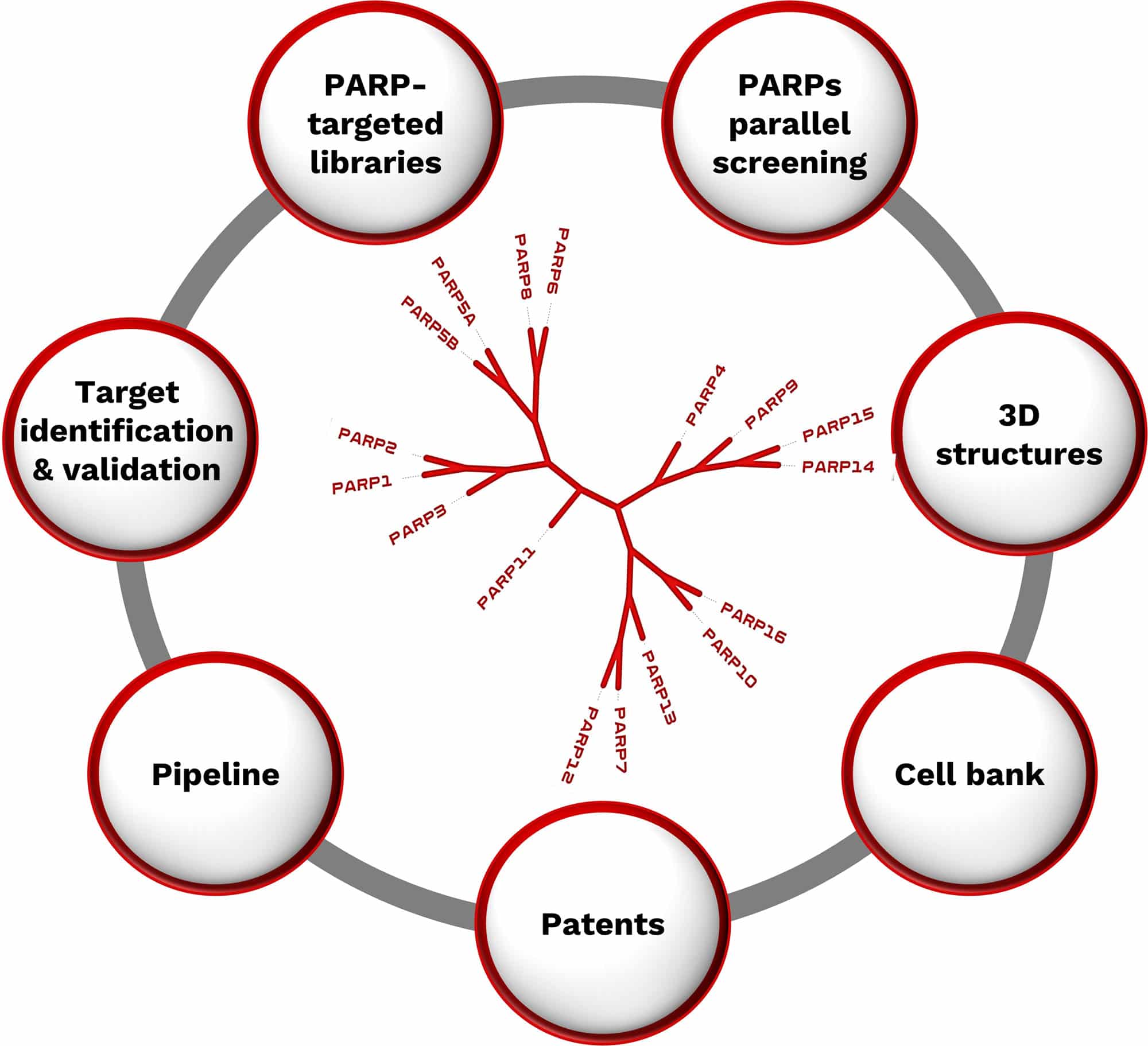
NAD+Binding Platform: PARP
A platform implemented based on PARP family (~17 enzymes) facilitating the rapid identification of compounds for novel target validation and potentially new drugs
Allows the identification of novel chemical matter exploiting the NAD binding pocket with the potential of expansion to other NAD-binding family enzymes
Kinase Platform
Kinases are a crucial class of pharmaceutical targets, valued for their broad biological relevance and druggability by small molecules. As pioneers in recognizing the importance of Kinases for personalized anticancer therapies, Nerviano Medical Sciences has built a dedicated Kinase Platform. This specialized infrastructure integrates advanced chemistry and biology approaches to target various Kinase families.
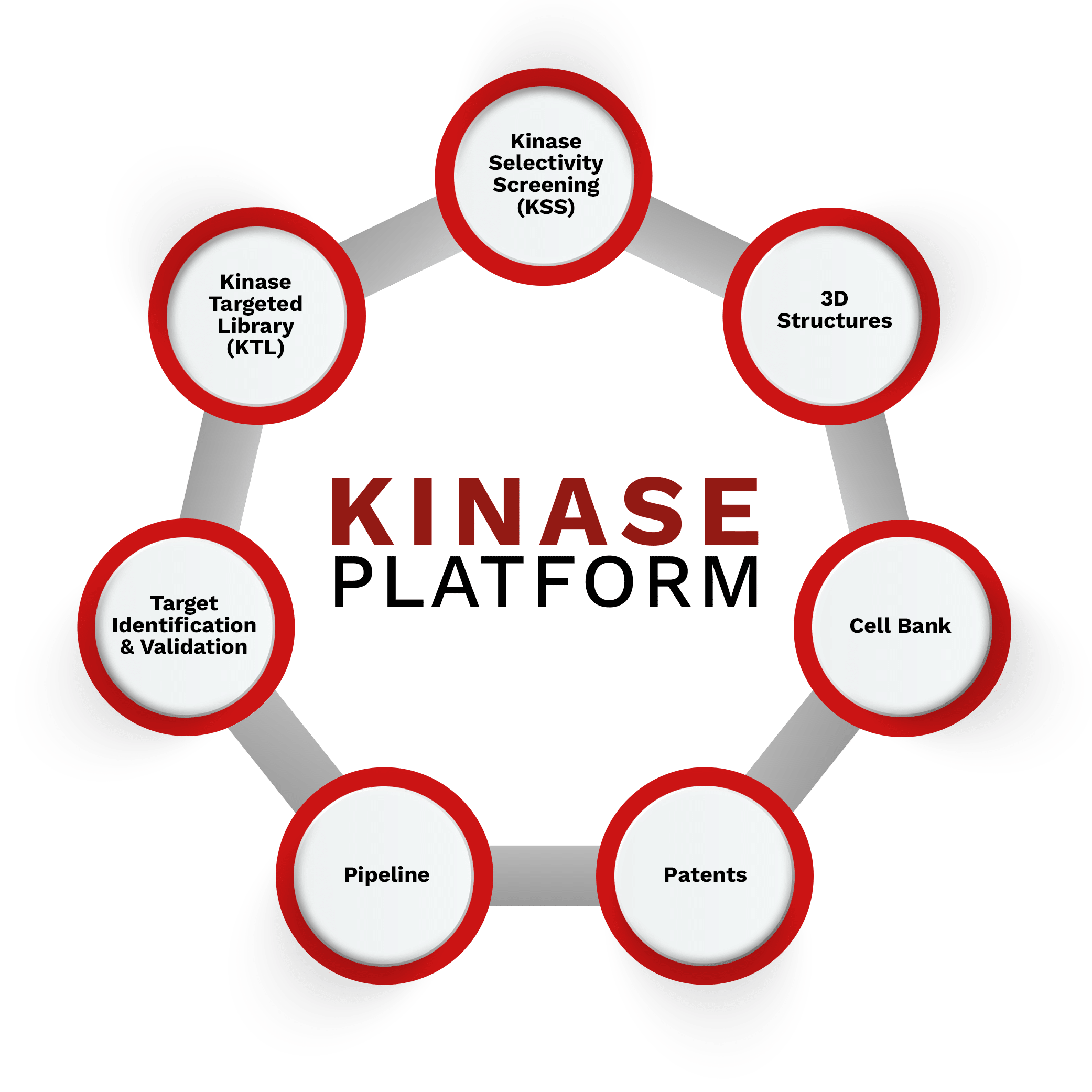
Our Kinase Platform has successfully delivered potent and selective inhibitors, several of which are either approved or in clinical development, reinforcing our commitment to advancing targeted cancer therapies.
We remain dedicated to leveraging our deep expertise in Kinases to advance and continuously expand our broad portfolio of preclinical and clinical Kinase inhibitor programs. Focused on the key areas of Oncology and Immuno-oncology, we are committed to driving innovation and developing next-generation therapies that address unmet medical needs.
Kinase as drug targets
Clinical Validation
Kinases regulate key intracellular pathways that become dysregulated in cancer, often referred to as the “hallmarks of cancer.” Currently, there are over 40 kinase-targeted drugs approved for a wide variety of solid and hematological tumors, with an impressive number of additional molecules in clinical development.
Unexplored Potential
Despite significant progress in the development of Kinase inhibitors over the past two decades, the full therapeutic potential of Kinase inhibition has yet to be fully realized. As our understanding of the physiological and pathological roles of the 500+ Kinase enzymes expand, new opportunities unlock innovative therapeutic avenues.
Medical Need and Emerging Role in Combination Therapies
Kinase inhibitors exemplify the success of targeted therapies, offering prolonged and often remarkable responses in patients selected for specific targets. However, drug resistance remains a clinical challenge, driving the urgency for next-generation inhibitors designed to overcome resistance mechanisms. Furthermore, cutting-edge research into combination therapies, to unlock the potential to amplify and extend the efficacy of Kinase inhibitors, offers new hope for more durable and comprehensive treatment strategies.
NMS Kinase Platform
A robust infrastructure of expertise, intellectual property, and advanced tools dedicated to Kinases. With over 20 years of integrated chemistry and biology approaches, our platform drives the rapid development of potent, selective Kinase inhibitors. It leverages an economy of scale to ensure the continuous delivery of first-in-class or best-in-class molecules, driving innovation across different tumor settings while evolving with the latest scientific and technological advancements.
Target identification and validation
Target Identification and Validation
We apply integrated genomics and proteomics profiling of cancer cell lines and tumor samples to uncover dysregulated networks and identify potential new therapeutic targets. Using advanced bioinformatics, including proprietary in-house tools, we mine both internal and external databases to pinpoint new genomic alterations involving Kinases in specific tumor contexts. Our large-scale gene silencing and phenotypic screenings across molecularly characterized cancer cell panels help identify synthetic lethality contexts and novel targets in select genetic backgrounds. These approaches have led to the discovery of several new targets at NMS, with promising first-in-class programs underway.
Kinase Targeted Libraries (KTL)
Our Kinase Targeted Library (KTL) is a proprietary collection of approximately 100,000 molecules, specifically designed to interact with Kinases. Synthesized entirely in-house, the library spans over 100 diverse chemical classes, offering broad coverage of the Kinase inhibitor chemical space. It serves as an ideal starting point for hit identification and structure-activity relationship (SAR) studies. The KTL is continuously expanded through crystallography and modeling approaches, which also enhance hit affinity and selectivity for specific targets. The KTL, along with an extended library for other purine-binding enzymes (PTL), provides a robust resource for hit discovery, with extensive patent protection and strong intellectual property positions.
Kinase Selectivity Screening (KSS)
Our Kinase Selectivity Screening (KSS) platform consists of a panel of over 100 automated biochemical Kinase assays, developed in-house at NMS. These assays evaluate the selectivity profiles of compounds and expand our knowledge of chemical interactions across different Kinases. KSS is instrumental in supporting Structure-Based Drug Design (SBDD) for Kinase inhibitors.
The enzyme proteins used in these screenings are entirely produced and characterized in-house, allowing for robust potency assessments (IC50) that are directly comparable across various targets. The panel is constantly updated with new, unexplored Kinase targets, providing opportunities for the discovery of new hits and leads across our diverse Kinase projects.
Our Kinase Selectivity Screening (KSS) platform consists of a panel of over 100 automated biochemical Kinase assays, developed in-house at NMS. These assays evaluate the selectivity profiles of compounds and expand our knowledge of chemical interactions across different Kinases. Over time, KSS has supported the discovery of more than 14,000 hits, providing critical insights that drive Structure-Based Drug Design (SBDD) for Kinase inhibitors.
The enzyme proteins used in these screenings are entirely produced and characterized in-house, allowing for robust potency assessments (IC50) that are directly comparable across various targets. The panel is constantly updated with new, unexplored Kinase targets, providing opportunities for the discovery of new hits and leads across our diverse Kinase projects.
NMS-ADC Overview
Our Proprietary Payload-Linker
Science is the Foundation of Everything We Do
At NMS-ADC, Innovation Starts with Chemistry
Unlike conventional ADC developers that recycle legacy payloads, NMS-ADC is a payload-first innovator, creating proprietary payload-linker technologies to overcome the real-world limitations of current ADCs: chemoresistance, and toxicity.
NMS-ADC builds upon Nerviano’s decades of oncology innovation, integrating deep chemistry expertise with translational biology to design next-generation ADCs that deliver meaningful clinical value. Our platform is built around proprietary payload-linker technologies, enabling safer, more potent, and resistance-breaking ADCs for solid and hematologic malignancies.
NMS-ADC integrated platform of payload linkers
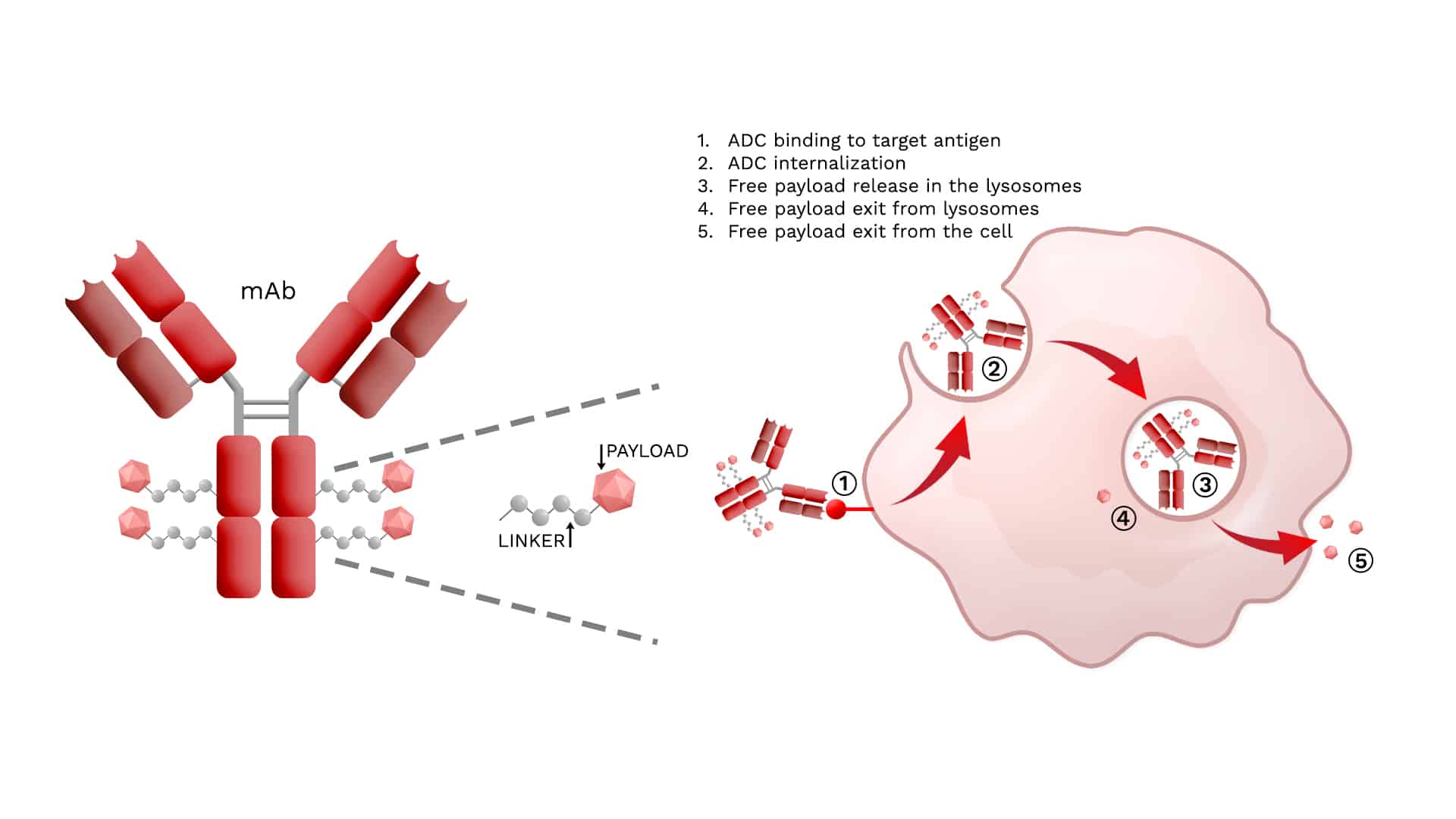
ADCs pair the specificity of monoclonal antibodies with the potency of small-molecule payloads to selectively eliminate cancer cells and reduce systemic toxicity. NMS-ADC advances this modality through novel payload classes and hydrophilic, stable linkers designed to expand efficacy into heterogeneous and low-antigen tumors while improving tolerability.
ADCs are a highly sophisticated pharmaceutical, made of three main components:
- Monoclonal antibody (mAb) – targets specific tumor antigens.
- Linker – connects the mAb to the cytotoxic drug.
- Payload – cytotoxic drug delivered specifically to cancer cells.
Our Edge in ADC Technology
NMS-ADC integrates medicinal chemistry, tumor biology, pharmacology/DMPK, and CMC to engineer ADCs that:
- Break resistance to chemotherapy and conventional payload-based ADCs
- Expand eligibility by retaining activity in low/variable antigen expression tumors
- Induce immunogenic cell death for more durable responses
- Balance efficacy and safety through rational payload-linker design
Integrating Key Research Expertise to Create Next-Generation ADCs
Developing fully functional ADCs is a sophisticated process that necessitates a multidisciplinary approach, integrating insights and techniques from molecular biology, chemistry, pharmacology, and bioengineering. NMS-ADC, with decades of expertise from our heritage, innovates and integrates the various components and processes involved in ADC development to address emerging limitations in the field, including chemoresistance and limited therapeutic window.
Proprietary Payload-Linker Portfolio
- Duocarmycins (e.g., NMS-P528 / NMS-P945): DNA-damaging agents with strong bystander effect; retain activity in MDR/Topo-I-resistant models and heterogeneous tumors.
- Anthracyclines (next-generation derivatives): Topoisomerase II–targeting with tuned potency, improved developability, and robust immunogenic cell death to help “heat up” cold tumors.
- Targeted payloads: High-potency, conjugation-ready chemotypes with broad activity independent of oncogenic pathway and reduced susceptibility to drug-efflux.
- Hydrophilic linker technology (HydroShield™): Cleavable, stability-optimized linkers engineered for high-DAR, non-aggregating ADCs with reduced off-target exposure; validated in-vitro, with in-vivo proof-of-principle expected Q1 2026.
Proprietary Chemical Collection
- Proprietary chemical collection and discovery engine (>20k compounds profiled in cells; >100k cytotoxic/targeted agents in collection)
- IP estate: >1,000 granted patents/applications; 310+ publications since 2004
- End-to-end translation: tool conjugates, high-throughput target/payload matching, developability screens, CDX/PDX efficacy, PK/PD, and CMC scale-up
- Available safety/efficacy packages to support rapid progression toward IND-readiness
Integration and Optimization with Cross-Disciplinary Approaches
Bioinformatics-guided design. We apply multifunctional analytics and internal datasets to jointly optimize target biology, payload class, and linker chemistry for any given target-tumor setting, improving the probability of success and therapeutic window.
Our Integrated ADC Workflow
NMS-ADC’s unique fully integrated approach is a strategic advancement in the ADC field
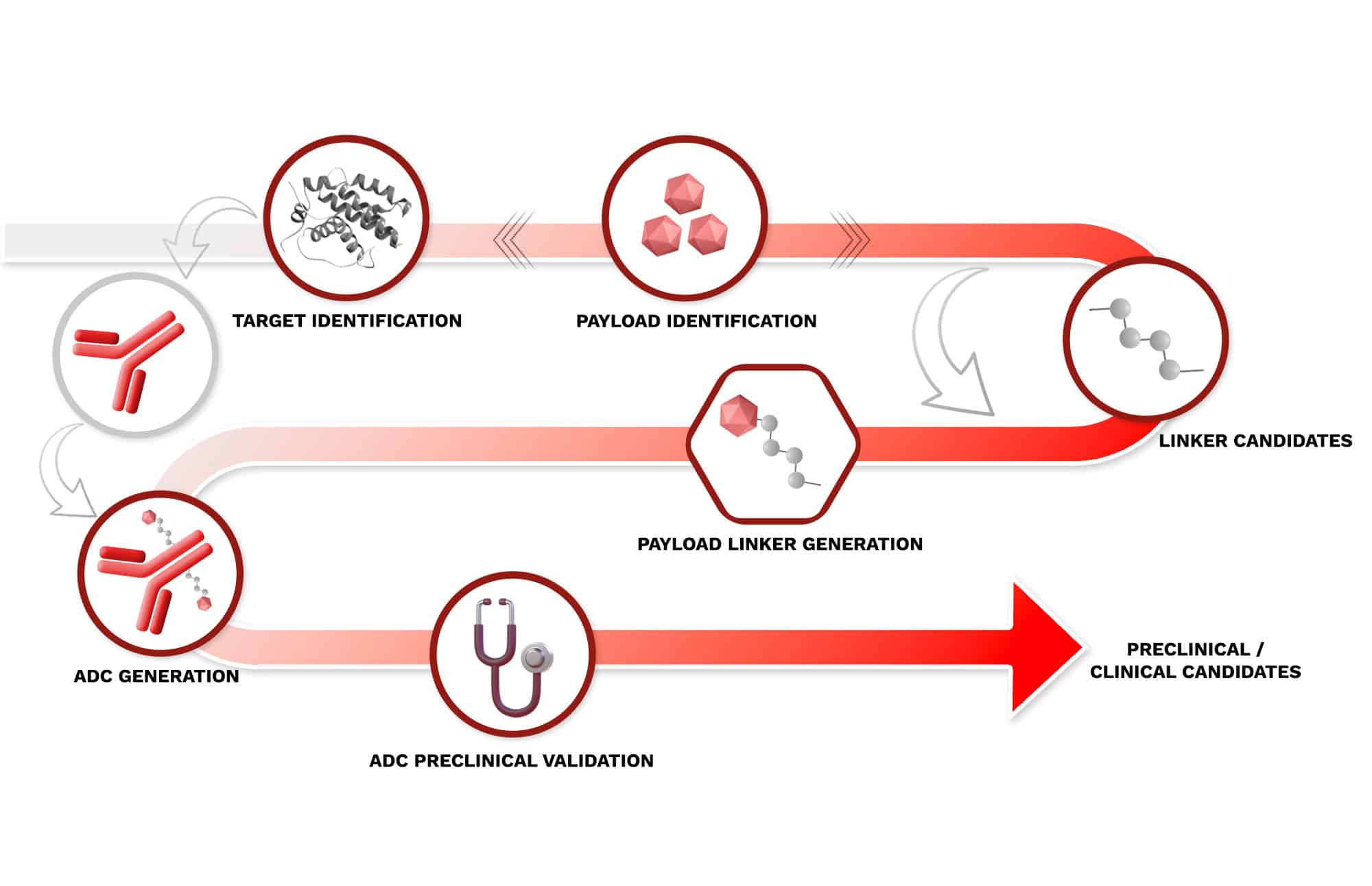
Target Identification
Starting from payload(s) features, a multidimensional approach including tumor sensitivity, medical need and competition drives the selection of the best suited target(s) for each payload-linker.
Payload Identification
Starting from proprietary historical data and chemical collections, payloads are prioritized based on proliferation, safety and efficacy data, together with chemical feasibility and diversity.
Payload Linker Generation
Payloads prepared with different linkers are prioritized based on chemical stability and payload release.
ADC Generation
Developing and prioritizing ADCs involves a rigorous evaluation of multiple critical parameters including Drug Antibody Ratio (DAR), aggregation, binding, antiproliferative activity in target (+) and target (-) cells, bystander effect, immunogenic cell death and plasma stability.
ADC Preclinical Validation
The process involves extensive testing in both in vitro and in vivo models to assess key aspects of preclinical validation such as efficacy in CDX and PDX models, and pharmacokinetic properties.
Target Identification
Starting from payload(s) features, a multidimensional approach including tumor sensitivity, medical need and competition drives the selection of the best suited target(s) for each payload-linker.
Payload Identification
Starting from proprietary historical data and chemical collections, payloads are prioritized based on proliferation, safety and efficacy data, together with chemical feasibility and diversity.
Payload Linker Generation
Payloads prepared with different linkers are prioritized based on chemical stability and payload release.
ADC Generation
Developing and prioritizing ADCs involves a rigorous evaluation of multiple critical parameters including Drug Antibody Ratio (DAR), aggregation, binding, antiproliferative activity in target (+) and target (-) cells, bystander effect, immunogenic cell death and plasma stability.
ADC Preclinical Validation
The process involves extensive testing in both in vitro and in vivo models to assess key aspects of preclinical validation such as efficacy in CDX and PDX models, and pharmacokinetic properties.
NMS’s portfolio of payload linkers: expanding the ADC landscape enhancing the effectiveness and precision of cancer treatment
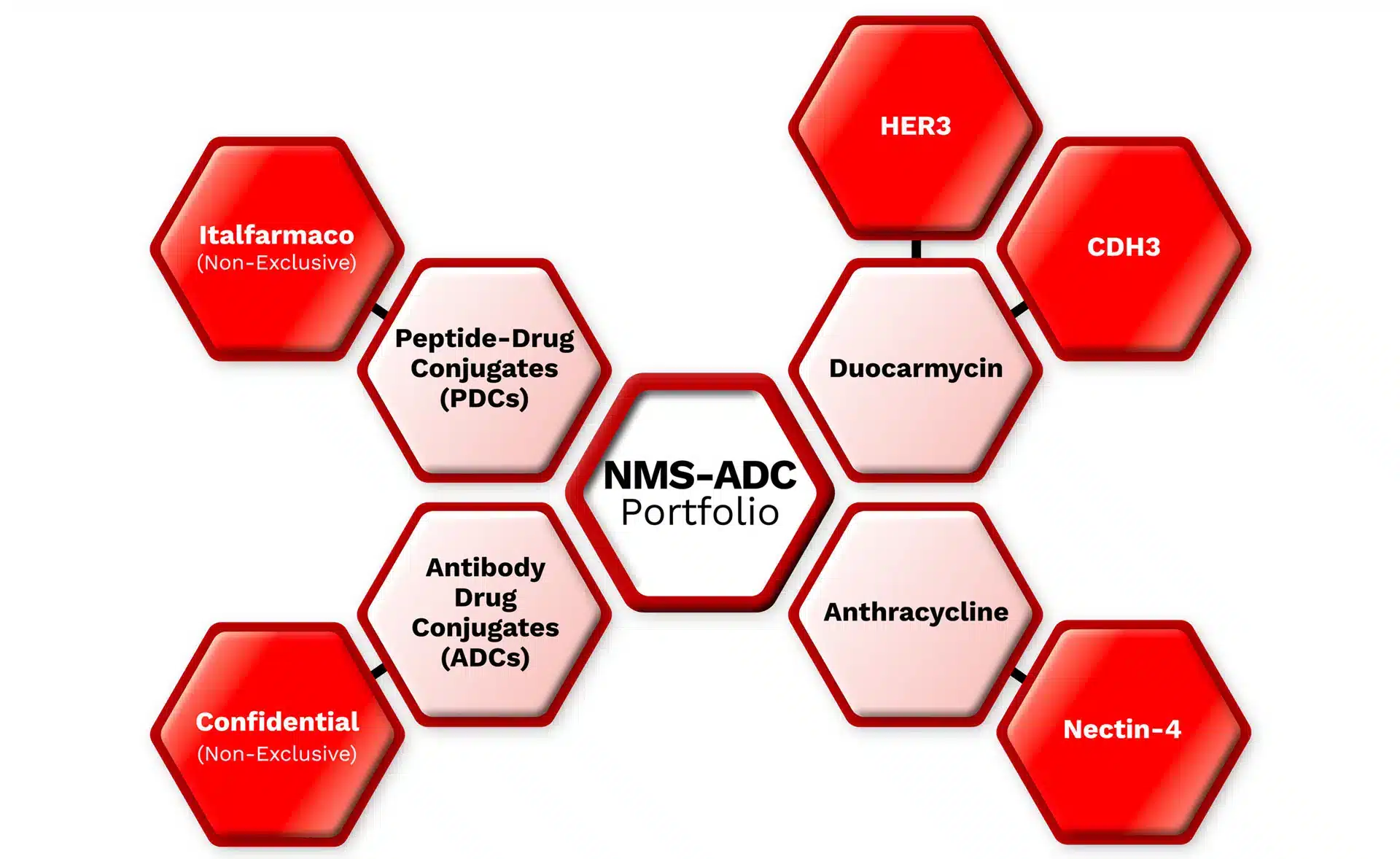
NMS established a unique platform of cytotoxic and targeted payload linkers with peculiar features to develop the best ADC for any given target or tumor type:
NMS-P945 is a duocarmycin-based payload linker, acting as a DNA damaging agent and demonstrating strong bystander effect, high in vivo efficacy with cured mice and good safety profile suitable for chemo resistant highly heterogeneous solid tumors (Mol Cancer Ther (2023) 22 (12): 1465–1478).
Next generation anthracyclines are topoisomerase II inhibitors showing outstanding immunogenic cell death properties, superior efficacy and safety profile to PNU payload suitable to revert cold into hot tumors (AACR2024 , NMCS_ACS2024 posters).
Novel targeted payloads with diversified mechanisms of action can be paired to be developed with selected targeted antibodies to achieve unique selectivity and improved safety compared with current ADCs (WADC-EU 2024 poster).
Target–payload matching uses a multidimensional approach (payload features, tumor setting, market perspective) to expand selectivity and therapeutic window.
See the poster presented at:
– AACR 2024 “A novel platform of diversified cytotoxins and targeted payloads to drive ADC innovation”
– ACS 2024 “Development of 14-amino-anthracyclines as novel payloads for ADC production showing potent anti-tumor activity and improved safety profile”
– WADC Europe 2024 “A payload-linker generating machine to quickly move from small molecules to characterized tool ADCs and PDCs”
– WADC San Diego 2024
- Poster “NMS-ADCs platform: innovation by design”
- Presentation by Barbara Valsasina “Showcasing NMS’s Portfolio of Cytotoxins & Targeted Payloads to Drive ADC Innovation”
– Festival of Biologics Basel 2025
- Poster and Presentation by Rosita Lupi “Reinventing Cytotoxins and Targeted Molecules as Next-Generation Payloads for ADCs”
– WADC San Diego 2025
- Poster “Next-Generation ADC Payloads: Redefining Targeted Cancer Therapy”
NMS-ADC Payload-Linker Platform
We combine validated/strategic antibodies with next-generation payloads and novel linker chemistry to create differentiated ADCs designed to overcome resistance and expand therapeutic reach.
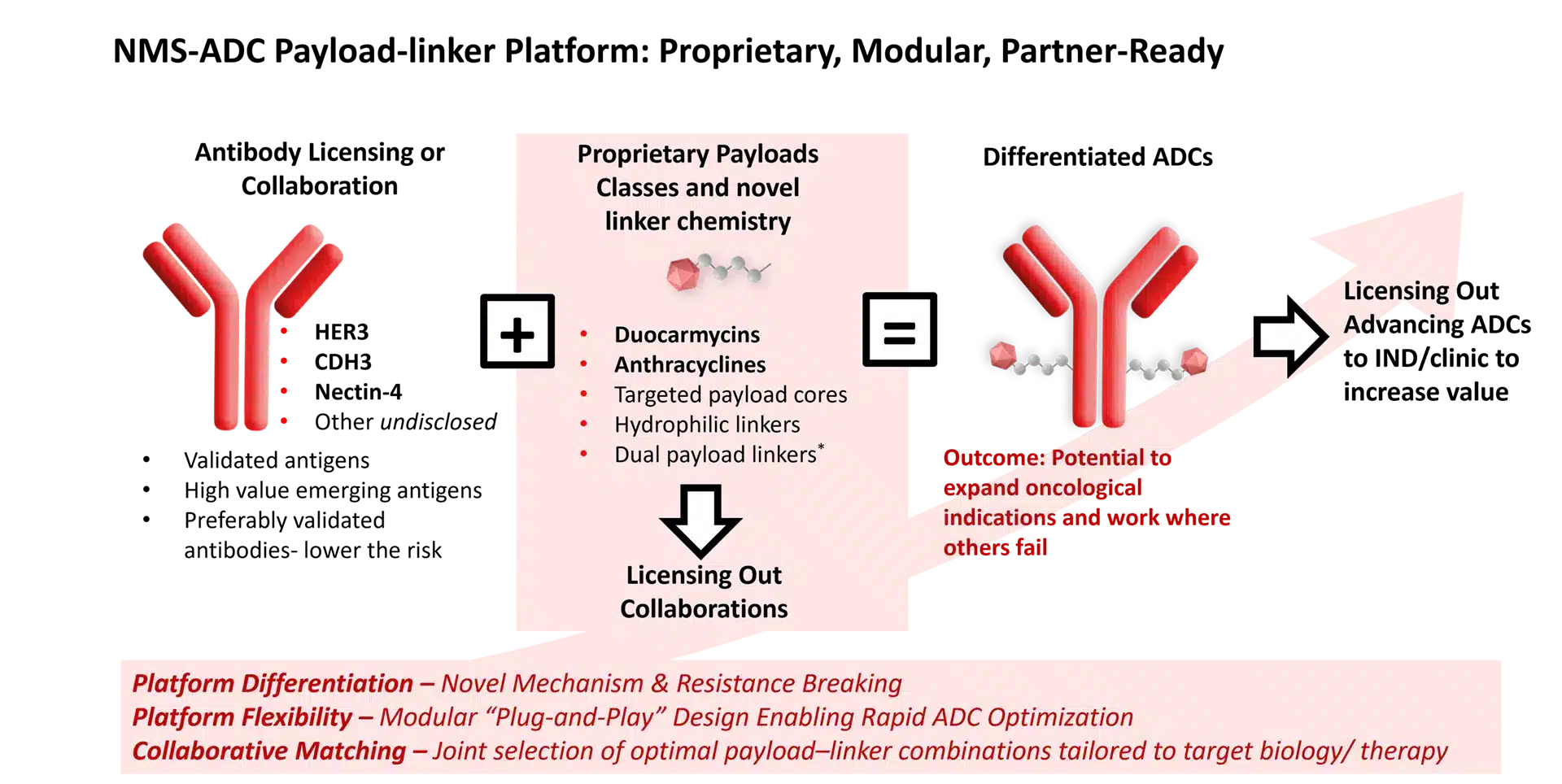
Through this model, NMS not only discovers and develops its own ADCs but also licenses out payload–linker technologies and IND-ready ADCs to advance programs into the clinic and increase value creation for partners.
Partnered
NMS collaborates with pharma/biotech and academia to co-design differentiated ADCs: from target selection and conjugation strategy to preclinical validation, scale-up, and IND-readiness. We offer licensing of payload-linker IP and co-development of IND-ready ADCs.
Contact: collaboration@nervianoms.com